
Dental bonding or a white filling
Bonding and a white filling use the same tooth-coloured composite. A white filling repairs decay or a small break, mostly on back teeth, €110 to €200 a tooth.
The same material used two ways, why the prices differ, and what's covered.
Free, no obligation. One registered dentist rings you, not a list.
- €110–€200a white filling
- €150–€350a tooth for bonding
- 2 a yearfillings on a medical card
- €0PRSI pays towards fillings
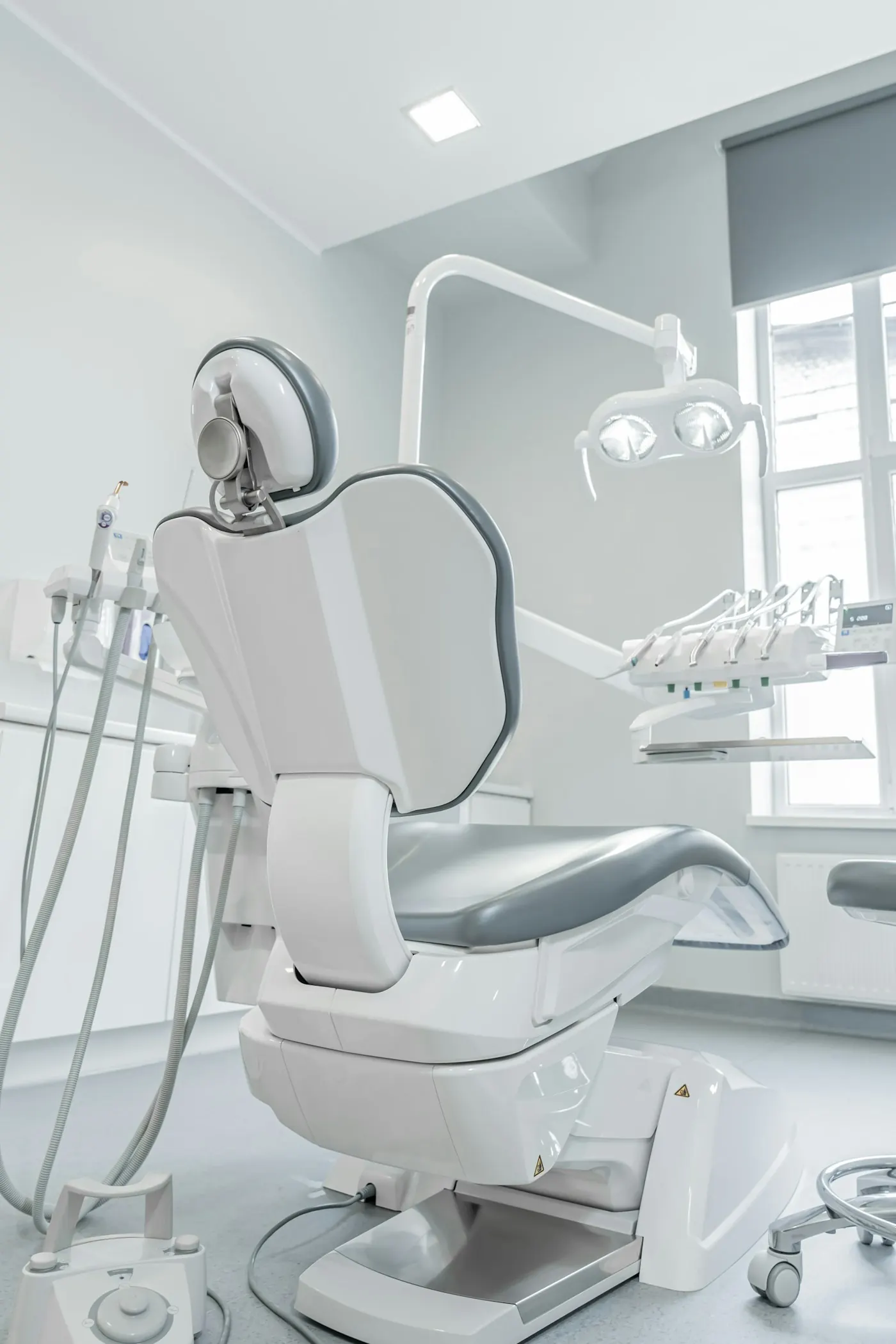
Same material, different job
Composite is the tooth-coloured resin in both. A filling replaces tooth lost to decay or a small break, and it's shaped to work: to seal the tooth and take the bite. Bonding is shaped to look right: layered to match the shade and the translucency of the teeth beside it, then polished. That's where the extra time and the higher price go.
What's covered
Revenue treats fillings as routine dental treatment, so they get no tax relief. PRSI Treatment Benefit doesn't pay towards fillings. A medical card covers two fillings a calendar year, with more only if the dentist applies to the HSE.
Bonding to change how a tooth looks is private treatment on a medical card, at the practice's usual price.
The bonding check: what it costs for your teeth
Four taps. You see the price range, the visits, how long bonding lasts and whether it usually suits the problem. Your number is only asked for at the end, if you want a dentist's price.
One chipped front tooth: €150 to €300, a consultation and one bonding visit, and it lasts five to seven years before it needs a polish or a repair.
How this is worked out
The price per tooth comes from our price guide: what Irish practices charge for bonding a chipped or worn edge, for covering the whole front of a tooth (a composite veneer), and for a white filling on a back tooth. Gaps use the general bonding price for each tooth either side. We multiply by the number of teeth. Dental treatment is exempt from VAT, so there is none to add. It's a guide to plan with, never a quote: the dentist prices your teeth after seeing them, and treatment only starts once you've agreed the price.
On front teeth and back teeth
On a back tooth, the composite usually goes in as a white filling. On a front tooth, a small chip may be repaired either way; ask the dentist which they're doing and what it costs before they start. The price guide has both.
Dental bonding guides & price breakdowns
Straight answers to what people ask most: costs, what the treatment involves, risks and aftercare, and what to check before you book.
More guides & resources: Tax relief on dental bonding · Dental bonding, PRSI and the medical card · Questions to ask the dentist about bonding · All guides & calculator hub · Glossary · Frequently asked questions
Questions people ask
Is bonding the same as a white filling?
The same material, used for a different job: a filling repairs, bonding reshapes the front of a tooth for how it looks.
Why does bonding cost more than a filling?
More time on the shape and the shade, layer by layer. A white filling is €110 to €200; bonding is €150 to €350 a tooth.
Does my medical card cover bonding?
It covers two fillings a calendar year. Bonding to change how teeth look is paid privately.
Can I claim tax back on a filling?
No. Revenue treats fillings as routine dental treatment, with no relief.
Dental bonding across all 26 counties
Requests from all 26 counties go to one local specialist who covers your county — from Dublin, Cork, Galway and Limerick to Kildare, Meath, Wicklow, Waterford and Donegal. Pick your county below for local prices, specifications and advice.
See what bonding costs for your teeth
Four taps, then one dentist on the Dental Council register who covers your county rings you, if you want a proper price.